saving water
responsibility starts with every drop
Water is essential to producing high‑quality specialty papers. Water consumption for specialty papers is commonly higher than in the production of commodity paper grades. And because it is so critical, we treat it with the responsibility it deserves.
Our goal: - 21% of specific freshwater withdrawal by 2030 compared to the 2023 baseline (paper mills).
How we use water
water withdrawal
In our paper production, “water withdrawal” refers to the freshwater we extract for processing raw materials and for cooling purposes. To minimize this intake, we operate separate cooling circuits that significantly reduce freshwater needs. The heat from cooling water is recovered for internal processes, and the water is returned to the environment unchanged. Only a small share of withdrawn water remains in the final specialty papers.
In our converting operations, water use is much lower, as it is needed mainly for cooling and personal hygiene.

water consumption
In our paper production, “water consumption” refers to the small share of water which is evaporated during the drying process and the water content in the specialty papers we produce. The actual water consumption in paper production is low, amounting to approximately 5–7% of the water withdrawn.

water discharge
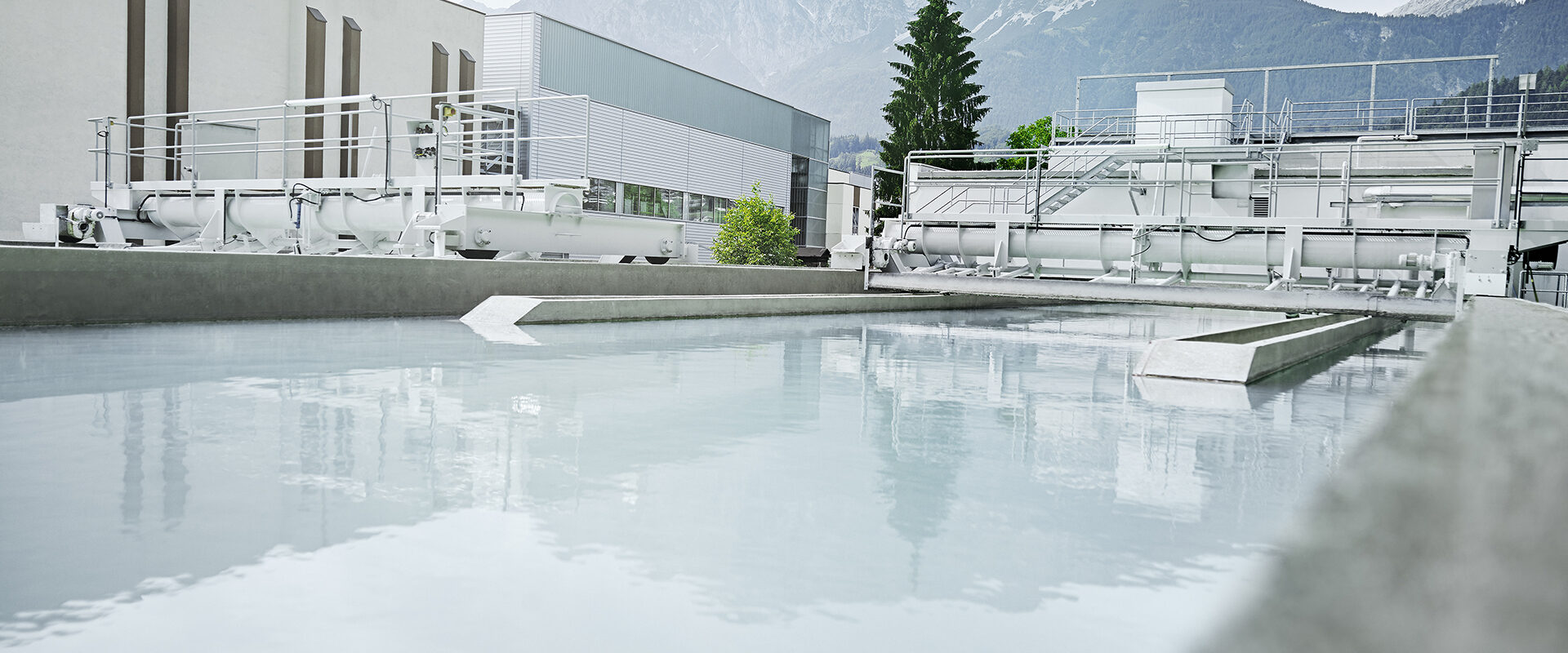
In our paper production, “water discharge” refers to the portion of water that leaves our operations after undergoing treatment or quality checks. Depending on the site and local infrastructure, treated water may be discharged directly to the environment or further treated through on-site or municipal wastewater treatment systems. All discharges are required to comply with applicable regulatory requirements and permit conditions. These measures help to ensure that all discharged water meets strict environmental standards and supports responsible resource management.
Water discharge is only significant for paper-producing sites, as their production processes generate wastewater that are treated appropriately before being discharged back into the environment.
Printing sites, on the other hand, use water exclusively for hygiene and cleaning purposes; the wastewater generated in this process is entirely treated at municipal wastewater treatment plants. In contrast, one printing site also uses water for building cooling and has its own wastewater treatment plant, where the water used for hygiene and cleaning purposes is treated before being returned to the environment.