Please rotate your device
back
sustainable food packaging

an appetite for change: 4 key areas of sustainable food packaging

Sustainability is the word on everyone's mind as the food packaging industry experiences a radical transformation. Offering sustainable food packaging solutions is no longer a ‘nice to have’, it is becoming the new normal. So, what is it that makes packaging truly sustainable?

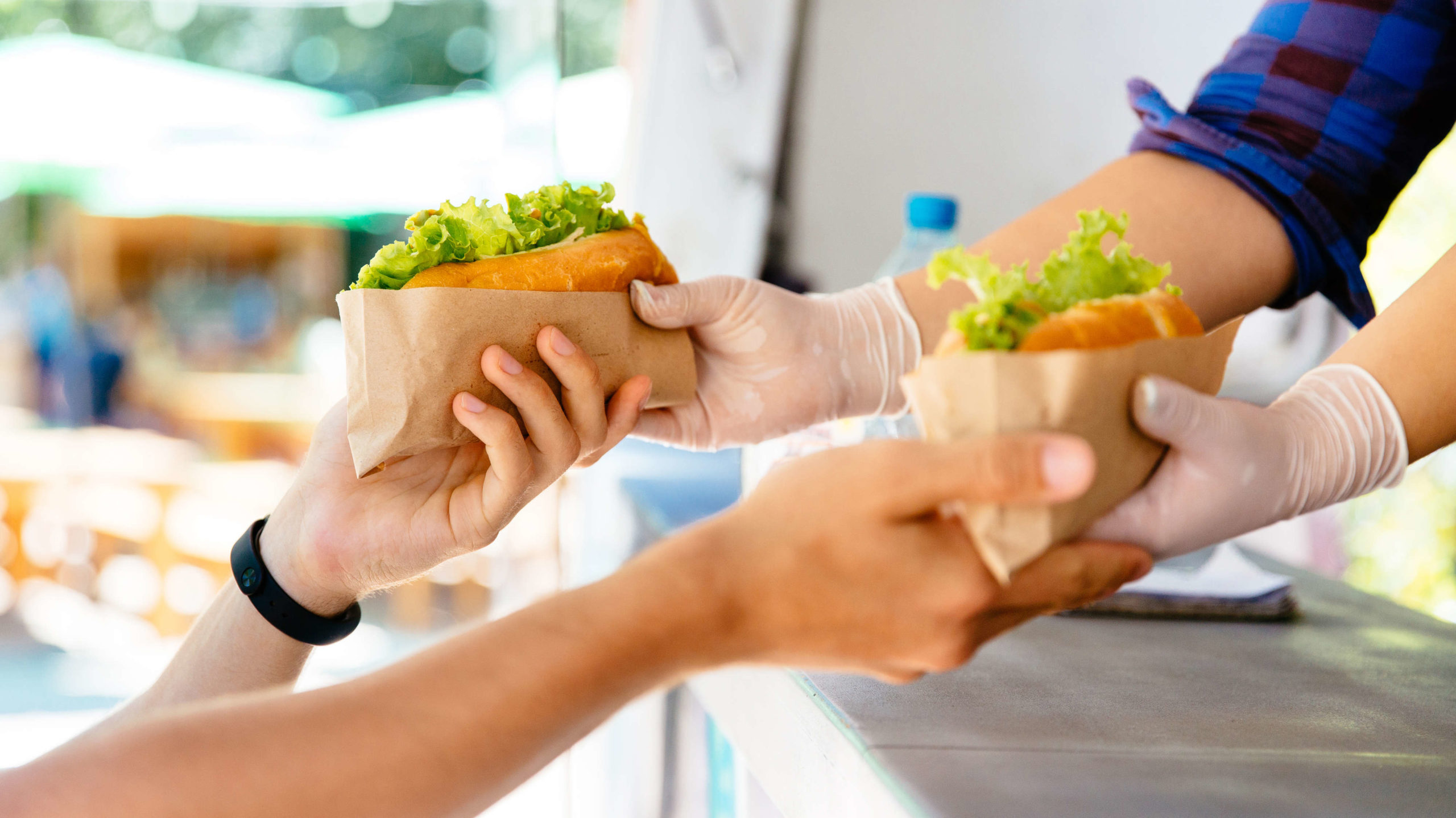
During the pandemic, takeaway and delivery meals became an indispensable part of many people’s lives. Restaurants joined forces with delivery services and the demand for takeaway food – and food packaging - skyrocketed. Unfortunately, this increase in takeout and delivery resulted in a high demand for packaging which has led to rising levels of waste.

csm_man-buying-two-hot-dog-kiosk-outdoors-street-food-close-up-view_f9d17665ee.jpg

On the bright side, changes in consumer’s preferences have helped to accelerate innovation. Companies now have more options than ever when it comes to environmentally friendly packaging. 


interview with Nina Goodrich​

Developing truly sustainable solutions requires a comprehensive understanding of responsible raw materials, production, converting, use and disposal. We spoke with Nina Goodrich, a leading voice on sustainable packaging, to find out more about what makes packaging sustainable. 

delfort has been an active member of GreenBlue’s Sustainable Packaging Coalition for over a decade. Members collaborate to improve the future of packaging and its impact on our environment. We work to develop better solutions for a sustainable future.

Nina-Goodrich-3

Nina Goodrich

As the Executive Director of GreenBlue, Nina Goodrich challenges individuals, communities, and businesses to think differently about packaging.

Hi Nina, thank you for taking the time to speak with us about sustainable packaging. The term ‘sustainable’ is used a lot today – but what exactly does it mean? What makes packaging sustainable?

When I think about sustainable packaging I break it into 4 key areas.

Sourcing

The first is sourcing at the beginning of the package life cycle. Where does the material for the package come from? Is it a renewable material? Is it a certified material or responsibly sourced? Is it made from recycled content?

Material Health

The second area is material health. Is the material safe? As we move towards a circular economy it is important that we understand what is in our materials and if they are safe to become circular. If we want materials to be sustainable we have to ensure they are safe first so that we do not circulate problems.

Optimization and Design

The third area is optimization and design. Are we using the appropriate amount of packaging to protect the product? Underpackaging leads to product damage and loss of shelf life. Overpackaging leads to waste.

End of Life

The final area is end of life or next life. All packaging should have an end-of-life or next life strategy by design. Is the package curbside recyclable? For a package to be considered curbside recyclable it needs to be collected at scale, sortable in a municipal recycling facility, re-processable into something of value and made into something new. Does the package have an alternate form of collection at scale? Is the package certified compostable? Is the package reusable?

What elements should be considered when producing sustainable packaging?

Some types of inks are also of concern and great attention needs to be paid to the types of inks we use on the packaging we want to recycle.

How do you see paper playing a role in the future of sustainable packaging?

Paper is a wonderful renewable material. We are seeing increased innovation pushing the boundaries of traditional performance for paper packaging.

Thank you for the interview!


Sustainable Packaging Coalition


The Sustainable Packaging Coalition is a membership-based collaborative that believes in the power of industry to make packaging more sustainable. A leading voice on sustainable packaging, the SPC is passionate about the creation of packaging that is good for people and the environment.


about GreenBlue


GreenBlue is an environmental nonprofit dedicated to the sustainable use of materials in society. They bring together a diversity of stakeholders to encourage innovation and best practices to promote the creation of a more sustainable materials economy.


We're sorry, we could not identify you clearly.

Is this your profile?

delfort turns 20
Contact
Jobs
Resource Center
Close